
When it comes to protecting your home, timing your roof replacement is just as important as choosing the right contractor. At Buckeye Roofing and Exteriors, we often get asked if winter is a good time to replace a roof. In most cases, the answer is no—and here’s why.
Cold Weather Can Damage Roofing Materials
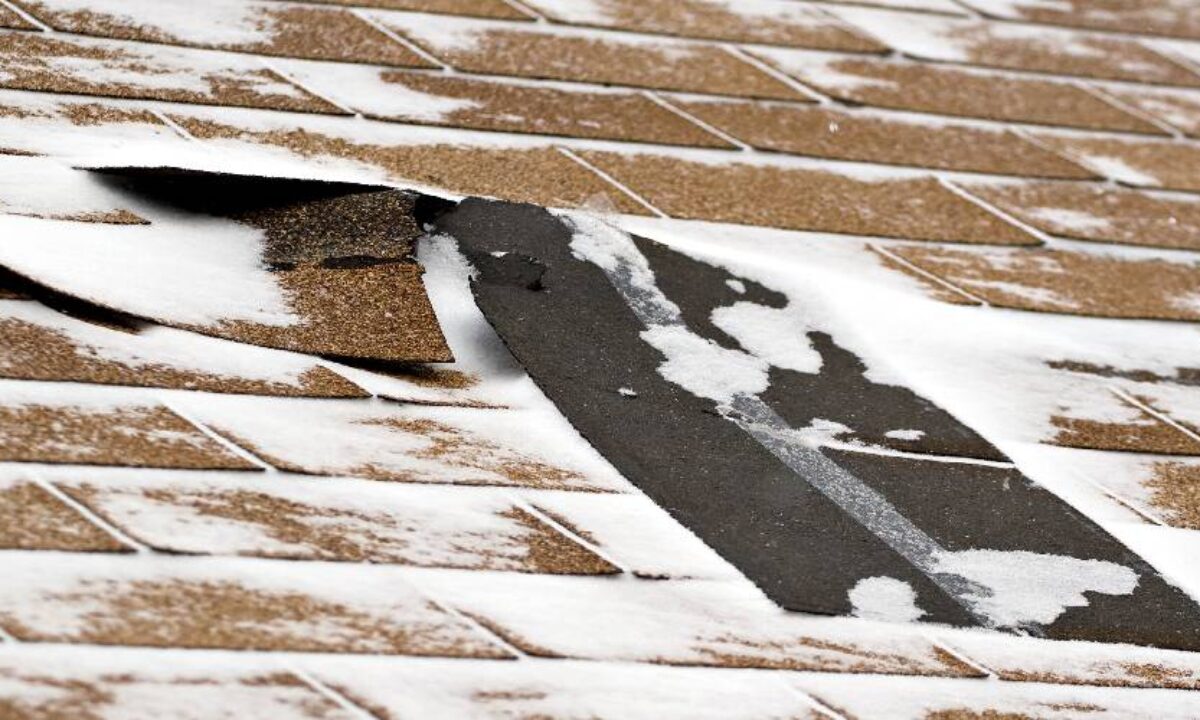
Most residential roofs use asphalt shingles, which rely on heat to properly seal. In winter temperatures, shingles become brittle and more prone to cracking during installation. The self-sealing adhesive strips may not activate, increasing the risk of loose shingles, leaks, and wind damage.
Snow and Ice Create Unsafe Conditions
Roofing in winter means working around snow, ice, and freezing rain, which creates serious safety hazards. Slippery surfaces can delay projects and increase labor risks, leading to longer timelines and higher costs for homeowners.
Winter Installations Can Lead to Future Problems
Roofs installed in cold conditions are more likely to experience poor sealing, moisture intrusion, and ice dam formation. What seems like a necessary winter project can turn into costly repairs once warmer weather arrives.
The Best Time to Replace Your Roof
At Buckeye Roofing and Exteriors, we recommend scheduling roof replacements during spring, summer, or early fall. Warmer temperatures allow materials to install correctly, resulting in a stronger, longer-lasting roof with fewer weather-related delays.
When Winter Roofing Is Unavoidable
Storm damage and leaks don’t always wait for warmer weather. If emergency roof repairs are needed, trust Buckeye Roofing and Exteriors, a professional roofing contractor with experience handling winter conditions safely and effectively.
Plan ahead and protect your investment.
Contact Buckeye Roofing and Exteriors today to schedule an inspection and plan your roof replacement for the right season.